
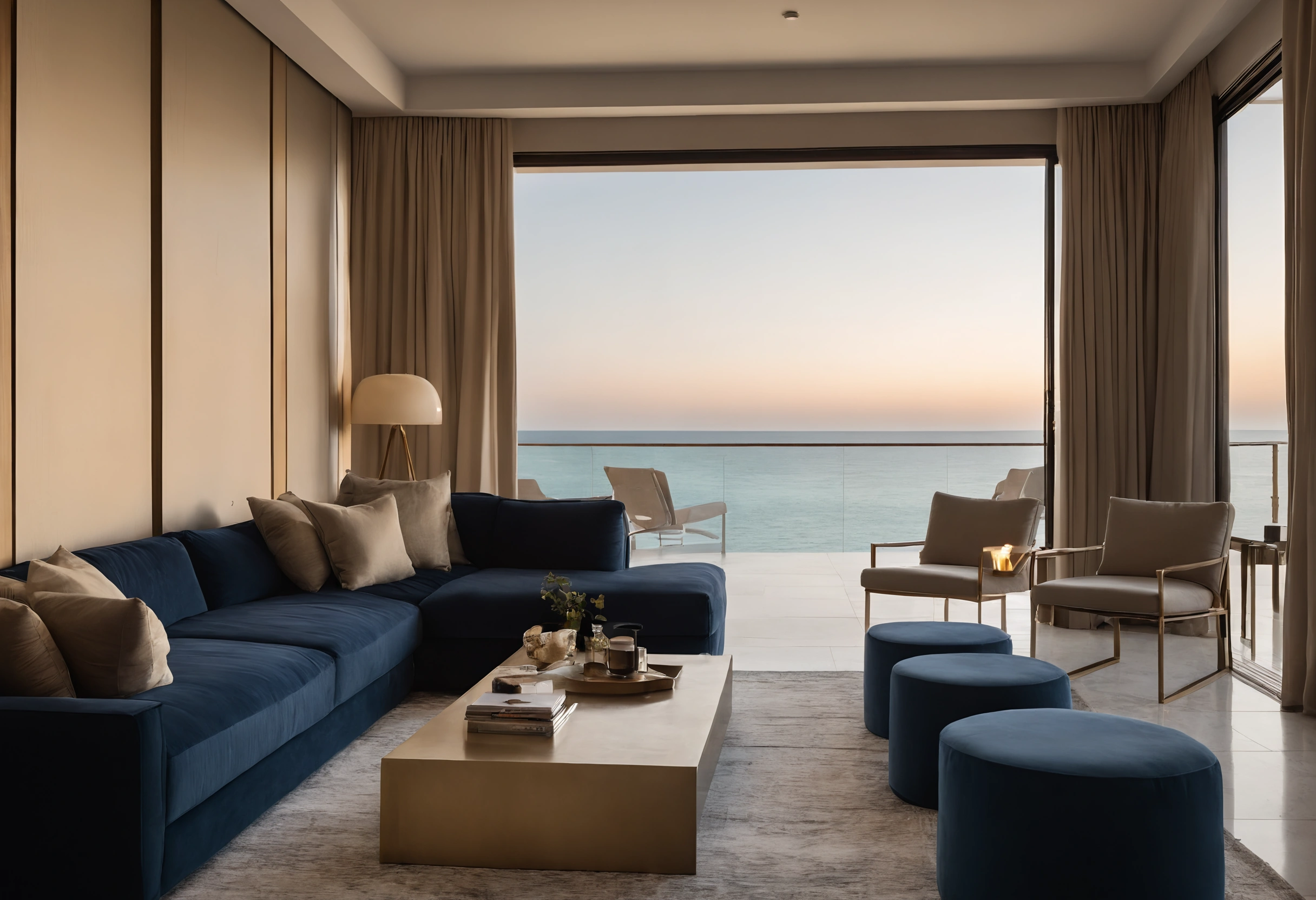
Buyers evaluating finishes for an Al Marjan Island apartment need a specification framework borrowed directly from the emirate’s established hospitality sector. Solomia Design is an award-winning luxury interior design company in Dubai with 17+ years of practice, 200+ turnkey projects and six International Property Awards delivering villa, penthouse and commercial interiors across the UAE. The local supply chain supports such ambitions: an editorial count of the Overture Maps Foundation places dataset, read via public tools on 25 October 2026, identified 91 hotel records inside the Ras Al Khaimah bounding box alongside 21 interior design studios and 25 furniture stores.
The UAE government portal notes Ras Al Khaimah covers 1,684 sq km. That footprint now supports a dense network of resorts whose material palettes offer a direct reference for private residences. Translating commercial specifications into a home requires understanding which finishes survive salt air, how lighting layers function without a dedicated engineering team, and where residential codes diverge from hospitality mandates. Buyers preparing for handover should review off-plan property checks and escrow handover procedures before finalising fit-out contracts.
- Request physical samples of all hard finishes and test them under both natural daylight and artificial evening light within the apartment shell.
- Confirm mechanical layouts with building engineers before specifying lighting coves, stone bulkheads or sealed doors.
- Verify acoustic door perimeter seals and threshold drops during handover to ensure noise isolation matches the specified rating.
- Test every programmed lighting scene to confirm dimming ranges remain smooth without flickering at low outputs.
The Ras Al Khaimah hospitality supply chain
A concentrated base of trade professionals sources and installs resort-grade materials across the emirate. Overture Maps Foundation data lists 16 estate agents, 9 architectural designers, 7 home improvement stores and 6 landscaping firms within Ras Al Khaimah. Buyers comparing options can browse wider property and lifestyle articles for further context on local market conditions.
Nationally, Overture Maps Foundation data records 2,932 hotels across the UAE. Dubai accounts for 1,606, Abu Dhabi holds 332 and Sharjah lists 172. This distribution confirms a distinct hospitality cluster, providing the pool of reference projects an apartment specification draws upon.
Hotel finishes that translate to an Al Marjan Island apartment
Resorts specify materials for heavy foot traffic, salt exposure and constant cleaning cycles. Dense natural stone, sintered surfaces, acoustic-rated doors and marine-grade metals recur throughout that brief. Adopting these finishes grants durability against coastal humidity while matching the visual weight found in neighbouring lobbies and suites.
Stone cladding used in hotel bars resists staining when sealed correctly, suiting kitchen islands or bathroom feature walls. Velvet upholstery, common in resort lounges, demands performance-grade fabric treatments to withstand direct sunlight entering through floor-to-ceiling glazing. Specifying identical material grades helps the residence age at a similar pace to surrounding resort infrastructure.
Commercial and residential ventilation standards
ASHRAE publishes Standard 62.1-2025 for ventilation and indoor air quality in commercial buildings alongside Standard 62.2-2025 for residential ventilation, and Standard 90.1-2025 for energy performance in buildings other than low-rise residential. Ask the developer which ventilation and energy requirements govern the apartment; a hotel corridor system cannot simply be copied into a private floor plan.
Borrowing aesthetic elements from a resort still requires a distinct compliance pathway. Confirm the mechanical layout with building engineers before specifying lighting coves, stone bulkheads or sealed doors. Owners considering short-term lets should review holiday home licensing and fee checks.
Lighting layering in a private residence
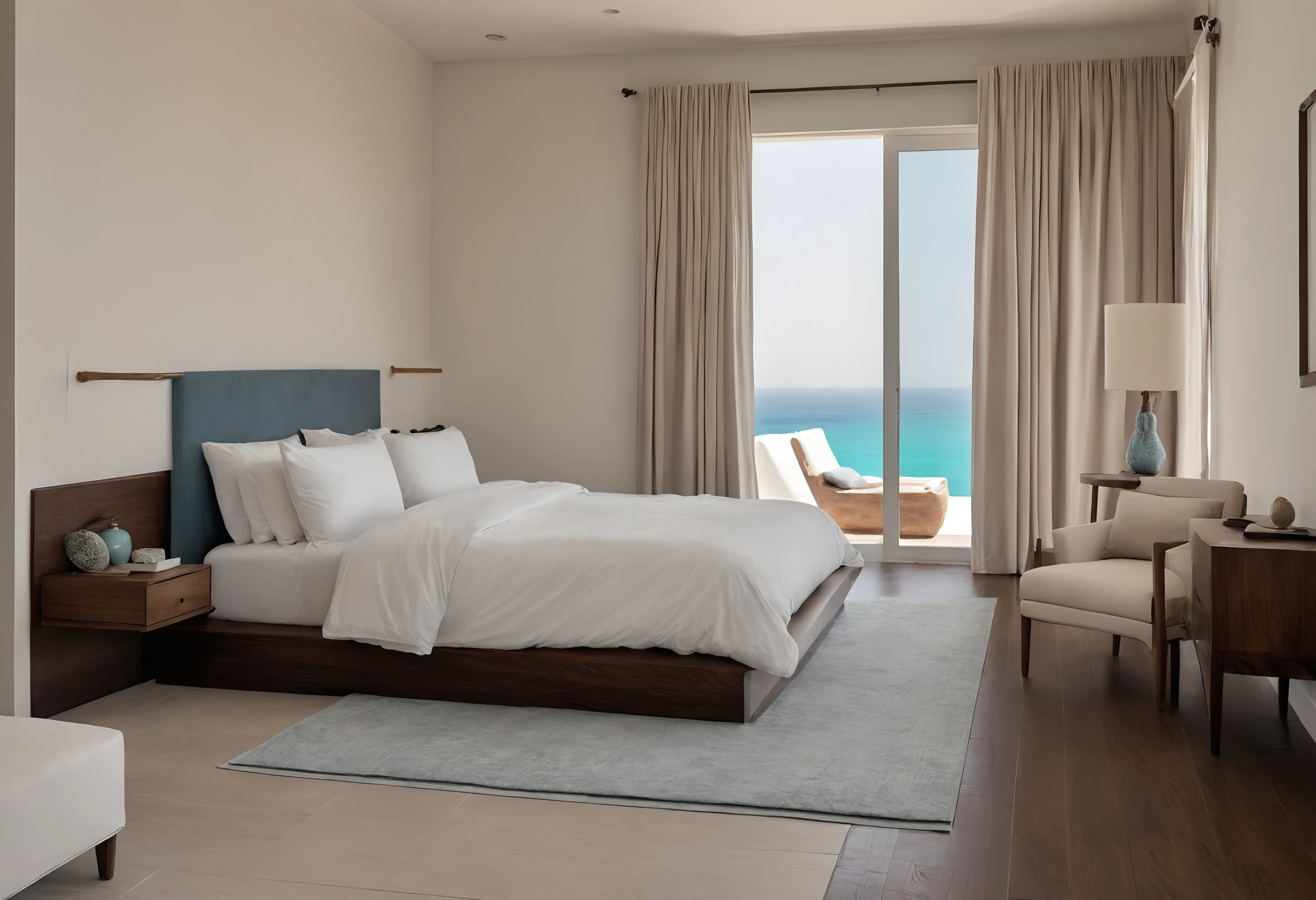
Hotels deploy multiple lighting circuits to shift a room from daytime brightness to evening ambience. Replicating such control in an apartment requires dimmable drivers, separate switching zones for ambient, task and accent fixtures, and concealed cove details. A single overhead downlight grid fails to produce the depth expected in premium environments.
Designers map these layers during the electrical rough-in phase, ensuring transformers and control modules fit above ceiling voids. Stone-clad bars and display niches demand dedicated narrow-beam fittings to highlight texture without casting glare on adjacent seating. Proper zoning allows owners to adjust atmosphere without relying on a building management system.
What should buyers specify before signing off on finishes?
Borrowing hospitality aesthetics demands rigorous documentation before construction begins. Every surface, fitting and mechanical component requires a written specification sheet naming the manufacturer, finish code and installation method. Verbal agreements regarding stone grades or acoustic ratings leave owners exposed during snagging.
Request physical samples of all hard finishes and test them under both natural daylight and artificial evening light within the actual apartment shell. Confirming sealant compatibility with coastal humidity prevents premature degradation of porous materials. Detailed handover checklists protect the investment long after contractors depart.
| Primary category | Ras Al Khaimah place records |
|---|---|
| Hotel | 91 |
| Furniture store | 25 |
| Interior design | 21 |
| Real estate agent | 16 |
| Architectural designer | 9 |
| Home improvement store | 7 |
| Landscaping | 6 |
Verifying hospitality-grade specifications at handover
Handover inspections for hotel-inspired apartments must go beyond surface aesthetics. Acoustic doors require verification of perimeter seals and threshold drops to ensure noise isolation matches the specified rating. Stone installations need checking for consistent grout lines, proper slope in wet areas and adequate sealing against alkaline efflorescence.
Test lighting circuits across every programmed scene to confirm dimming ranges remain smooth without flickering at low outputs. Ventilation flows must align with residential standards rather than commercial assumptions. Buyers navigating structural modifications during fit-out can consult our notes on resale apartment title dues and snagging checks to coordinate approvals with building management.