
One apartment must pass three independent gates before operating as a holiday home: Ras Al Khaimah regulatory approval, lawful authority to let, and written building acceptance. Failure at any gate can make a short-term rental plan unusable or uneconomic.
Can a specific Al Marjan Island apartment legally operate as a holiday home?
Al Marjan Island location alone proves neither holiday-home eligibility nor viable returns. The decision depends on the exact apartment, ownership documents, building rules and operating model.
The apartment must pass regulatory, ownership, and building-level checks
Regulatory eligibility: Confirm with the Ras Al Khaimah Tourism Development Authority whether the intended furnished accommodation falls within its current holiday-home framework. Ask which registration, classification, inspection, insurance, guest-reporting and operator approvals apply before accepting bookings.
Authority to let: Match the applicant to the title deed. Individual owners, corporate owners, tenants and appointed operators may face different requirements. Joint owners should establish who can authorise the activity, while mortgaged owners should check finance documents for consent requirements.
Building acceptance: Obtain the declaration, community rules, management circulars and written confirmation for the unit. Address minimum stays, guest registration, access cards, parking, amenities and any mandatory management arrangement.
Hotel-branded residences need additional contract review because documents may require an exclusive rental programme, designated manager or limits on owner use.
Tax readiness is separate. Under UAE Federal Tax Authority VAT registration guidance, voluntary VAT registration may be available from AED 187,500 where taxable supplies, imports or taxable expenses satisfy the FTA test.
An off-plan reservation does not establish holiday-home eligibility
An off-plan reservation records a proposed purchase, not a present right to provide short-term accommodation. Review permitted-use clauses, leasing restrictions, rental programmes and compulsory management terms alongside separate Al Marjan Island off-plan property checks.
Any developer statement about holiday-home potential should identify the unit, conditions and responsible authority in binding documents. Until then, exclude projected holiday-home income from the purchase case.
Which Ras Al Khaimah licence, permit, and registration steps apply?
The process must come from current RAKTDA guidance. The route depends on the apartment, ownership structure and whether the owner or an authorised operator manages guests.
What documents must the owner or operator submit?
Request the current RAKTDA document checklist, application channel, approval terminology, conditions and fee schedule. Also establish whether the activity requires a separate Ras Al Khaimah trade or business licence.
- Confirm the unit and operating model with RAKTDA before advertising or taking bookings.
- Prepare the title deed, owner identification, unit details and required insurance, safety, utility or management records.
- Resolve joint-owner consent, corporate papers, powers of attorney or requested mortgage approval.
- Apply through the specified channel and complete any inspection, classification or correction.
- Record the approval holder, permitted unit, renewal dates and cancellation process.
Document validity, translation and attestation requirements may vary. Non-resident, corporate, mortgaged and jointly owned apartments require unit-specific confirmation.
How does an owner-managed application differ from an operator-managed application?
An owner-managed route, where permitted, places responsibility on the owner for approvals, guest records, payments, complaints, inspections and renewals. The owner must confirm whether commercial registration is required.
An operator-managed route should identify the licensed entity, the owner’s unit-specific authorisation and whose name appears on approvals, listings and records. Verify the operator’s current permissions, reporting duties, renewal responsibility and liability for breaches. A management contract does not replace regulatory approval.
Dubai DET and DTCM holiday-home procedures do not govern Ras Al Khaimah units
Al Marjan Island is in Ras Al Khaimah. Dubai Department of Economy and Tourism procedures, including material using the former DTCM name, do not approve its apartments. Federal obligations may apply but do not replace the local pathway.
Building rules can prevent short-term stays even when a regulatory route exists
Regulatory eligibility does not prove that a building accepts holiday-home guests. Declarations, community rules, owner decisions, branded-residence terms and management procedures may regulate minimum stays, access, amenities or operator choice.

Building rules can prevent short-term stays even when a regulatory route exists shown with relevant destination, access, and visitor conditions.
Which written building approvals should a buyer request?
Obtain written confirmation from the party authorised to administer the building or community. It should identify the apartment, ownership arrangement and operating model.
Review the latest declaration, jointly owned property documents, community rules, management circulars and pending resolutions. Check the sale agreement for transient-occupancy restrictions, exclusive rental pools or branded management obligations. Broker or reception assurances are insufficient.
Guest access and front-desk procedures can determine practical viability
Building management should explain guest identification, security registration, keys, access cards, parking and after-hours arrivals. Procedures may also affect smart locks, cleaners, deliveries, luggage, occupancy and shared facilities.
A permitted unit can remain impractical if every arrival needs advance reception approval or an external operator cannot obtain reliable access.
What licence fees, operating charges, and taxes must be included?
A complete budget includes current authority charges plus building, platform, operator, cleaning, utility, maintenance, insurance, payment-processing, tourism-related and tax costs.
Which costs are fixed, variable, or deducted from gross booking revenue?
One-off costs may include the application, classification, inspection, safety equipment, preparation, photography and access cards. Obtain the current authority schedule because charges can change.
Annual costs can include approval renewal, service charges, insurance, internet and planned maintenance. Use the apartment’s latest service-charge statement.
Per-stay or per-night costs include cleaning, linen, consumables, utilities, guest access and tourism-related charges. Record whether guests pay cleaning separately.

What licence fees, operating charges, and taxes must be included shown with transport, entry, and visitor-movement context.
Revenue-percentage deductions commonly include platform charges, payment processing and operator commission. Confirm whether commission applies before or after discounts, refunds, taxes, platform fees and cleaning revenue.
When can VAT and UAE Corporate Tax affect holiday-home income?
VAT depends on the owner’s activity, taxable supplies and registration position. The FTA states that a UAE-resident business must register when taxable supplies and imports exceed AED 375,000 over the previous 12 months or are expected to exceed it within 30 days, subject to current rules.
UAE Corporate Tax requires separate assessment of the owner, vehicle and activity. Corporate, non-resident, multiple-unit and mixed-use arrangements warrant advice from a qualified UAE tax adviser.
A holiday-home operator agreement must define control, costs, and exit rights
An operator agreement should identify who holds approvals, controls listings and guest funds, pays costs, and handles damage, complaints, records and regulatory breaches.

A holiday-home operator agreement must define control, costs, and exit rights shown as a destination-specific travel planning reference.
The operator commission percentage does not reveal the full management cost
Headline commission has little meaning until its calculation base and additional charges are defined. Verify each operator’s trade and tourism permissions.
- Revenue and deductions: Define treatment of platform fees, discounts, refunds, taxes, cleaning, marketing, maintenance mark-ups and reserves.
- Funds and reporting: State who receives booking money, when the owner is paid and how statements reconcile deductions and payouts.
- Liability and control: Allocate responsibility for damage, complaints, insurance claims, chargebacks, pricing and penalties.
Termination clauses must preserve listings, records, bookings, and apartment access
Exit terms should cover the contract period, renewal, notice, early-exit charges and future bookings. Specify ownership of photographs, pricing history and booking records. Handover provisions should cover permits, keys, smart-lock credentials, inventory, linen and unused reserves.
Net income should be tested with a unit-specific break-even model
Compare conservative, base and stronger demand scenarios rather than relying on one advertised nightly rate. Each should reflect the apartment’s condition, view, permitted calendar, owner-use dates, fees and evidence from comparable units.
How should gross bookings be converted into owner net income?
Start with available nights after owner stays and maintenance closures. Multiply by paid occupancy and achieved average daily rate. Subtract refunds, discounts, platform and operator deductions, unrecovered cleaning and linen, utilities, maintenance, insurance, taxes and fixed annual costs.
Owner net income equals gross booking value plus retained guest charges, minus refunds, percentage deductions, operating expenses, taxes and fixed annual costs. Repeat with lower occupancy, weaker rates, higher maintenance and an opening-period ramp-up. Compare the result with a long-term rental estimate.
The final decision requires written approval and a reconciled cost model
Proceed only when the Ras Al Khaimah pathway, written building acceptance, operator terms, insurance, tax treatment and downside calculation reconcile for the apartment. An informal promise of permission is insufficient.
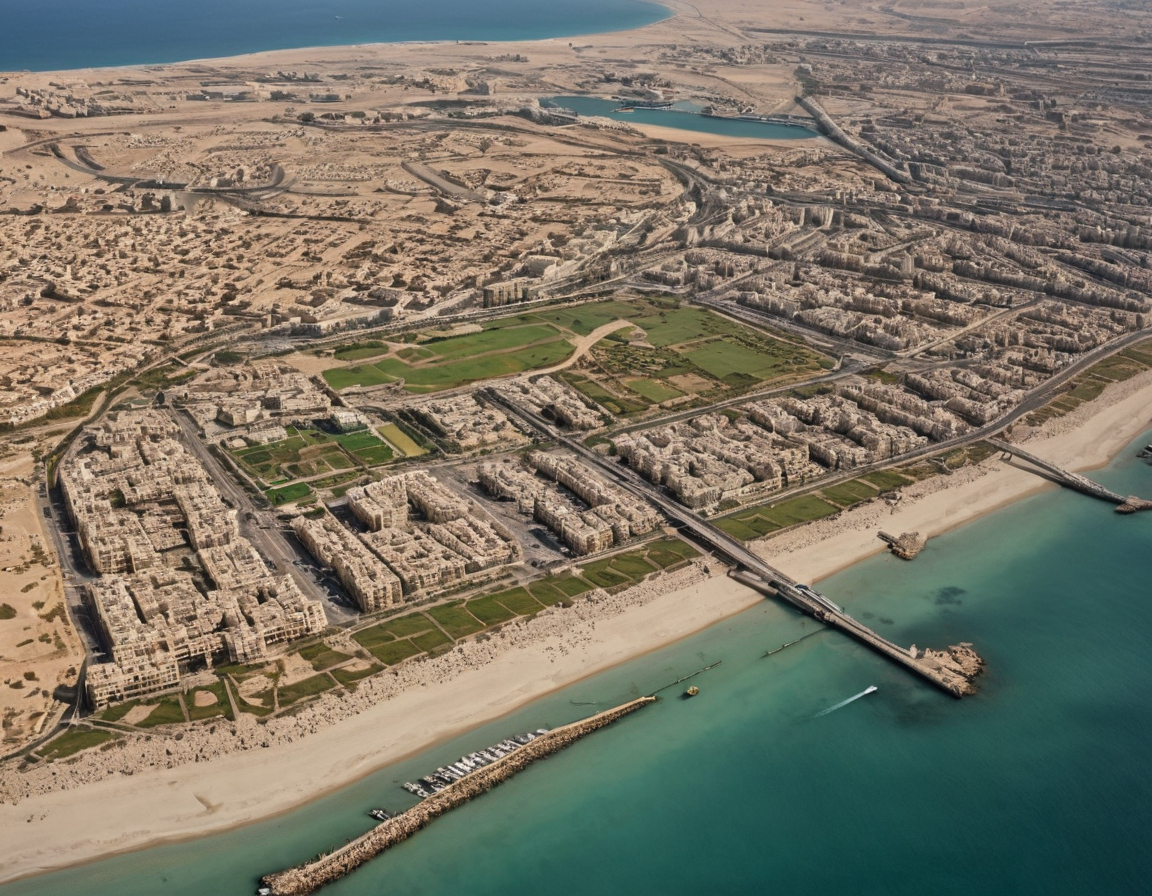
Net income should be tested with a unit-specific break-even model shown with relevant destination, access, and visitor conditions.
Frequently asked questions
How much does a holiday-home licence or permit cost for one Al Marjan Island apartment?
Use the current RAKTDA fee schedule and include applicable initial, inspection, classification, renewal, amendment and cancellation charges. Separate authority fees from private service charges.
Can an apartment owner manage an Al Marjan Island holiday home directly?
That depends on the current RAKTDA route, applicant status and business-registration requirements. Obtain written confirmation before assuming direct management is permitted.
Do Dubai DET or DTCM requirements apply to an Al Marjan Island apartment?
No. Dubai procedures do not establish approval in Ras Al Khaimah. Follow the current Ras Al Khaimah process and applicable federal obligations.
Can building management prohibit Airbnb-style stays even if the apartment qualifies?
Building documents and authorised management procedures can restrict short-term stays, access or operator arrangements. Regulatory eligibility does not replace written building acceptance.
What should be checked before signing an operator agreement?
Check permissions, commission base, extra charges, payout timing, reserves, listing control, insurance, liability, booking records and termination. Request a sample statement showing how gross bookings become the owner’s payout.